
James Gunn's Superman Changed The World For The Better
· 4 min read
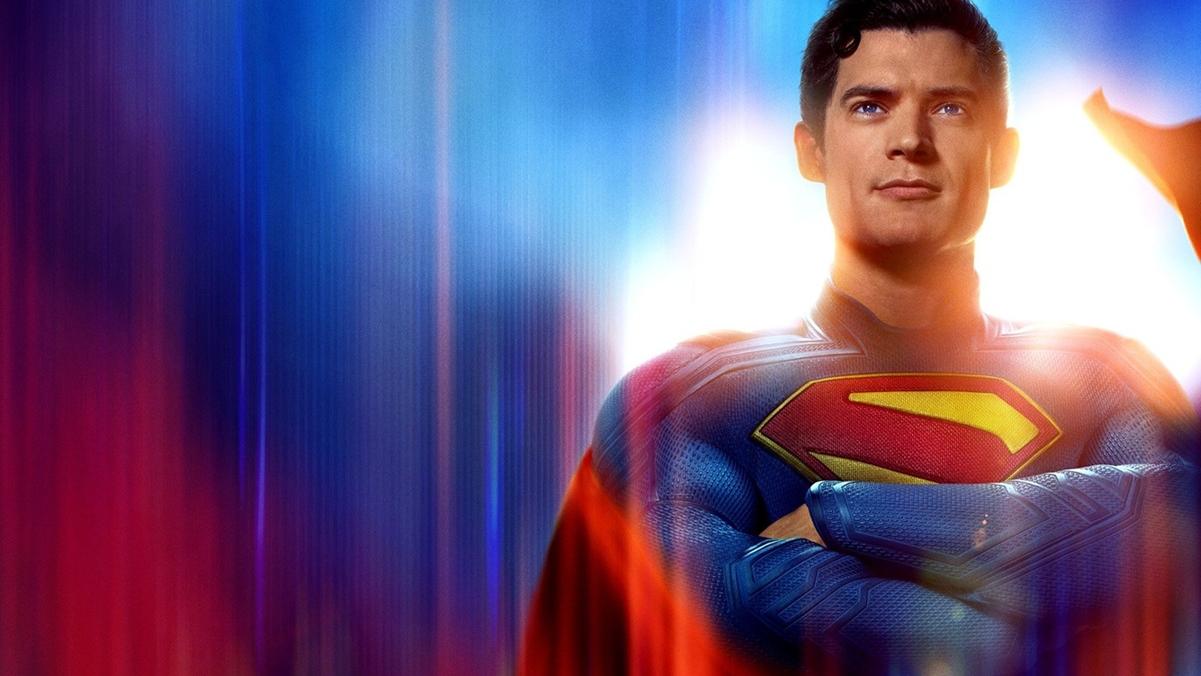
The Boys’ Homelander. Invincible’s Omni-Man. DC Comics’ Red Son. Even Zack Snyder’s Superman. All these “men of steel” were created as a commentary on the Man of Tomorrow, with many believing that Clark Kent could never be as interesting as the darker shades of the Last Son of Krypton. In 2025, something happened. James Gunn unleashed his kinder, gentler, and more human interpretation of the Daily Planet reporter, and in a way that we might still not fully comprehend, it might have changed the world for the better in doing so.
Let’s start this wild ride by breaking down the appeal of the “Evil Superman.” While the creation of these dark reflections isn’t necessarily a new development, as a good portion of Kent’s rogues’ gallery are effectively evil Supermen themselves, it has taken hold far more frequently in recent days. The idea of ultimate power corrupting the wielder has been a steady trope in fiction for almost as long as fiction has existed. Homelander and Omni-Man specifically are interesting foils in their respective universes, in far different ways from one another. It was in James Gunn’s recent interpretation that the Man of Steel was finally allowed to have the light of day shine on him and in doing so, made being kind cool again.
Up, Up, And Away
For quite some time, it seemed impossible to get a live-action Superman “right.” Zack Snyder’s take on the Last Son of Krypton almost reveled in how Clark is an outsider, while harboring a power that placed him that much farther from humanity. There’s a long-running trend that sent me up the wall in DC Comics, and it’s something I called “Heat Vision Fixation.” Countless covers would focus on an angry Superman, shrouded in darkness, with only the red of his eyes illuminating his form. While those do make for cool images, they’re simply not Clark.
This isn’t to say that an angry Superman should never be shown. An amazing moment in Superman history is during the Alan Moore-penned storyline, “For The Man Who Has Everything,” wherein a despondent Clark unleashes his anger, and heat vision, on a shocked Mongul. That moment, however, is made all the more powerful in that it didn’t happen that often during that time period. This breakdown points us in the direction of Zack Snyder’s take on the character and why it ultimately fell flat.
A Darker Superman For a Darker World
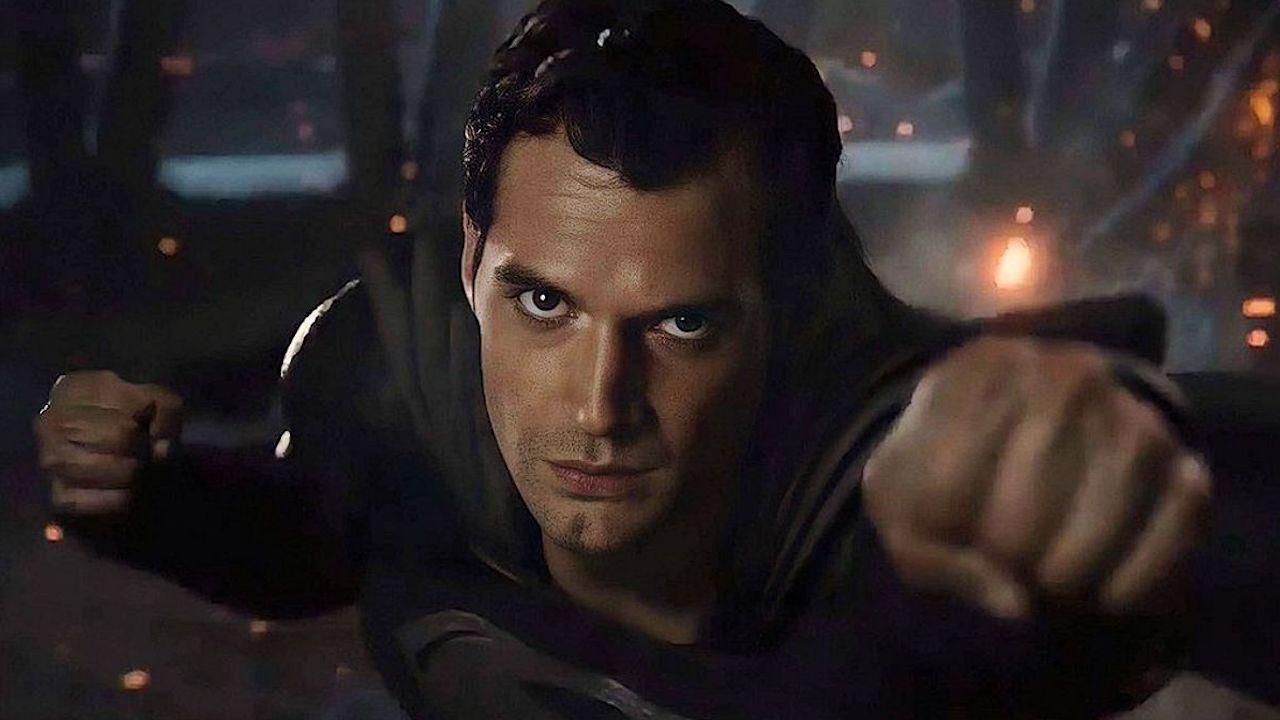
To this day, I still think that Henry Cavill could have made for an amazing Superman. For as bad as Joss Whedon’s Justice League was, Cavill getting the green light to add levity to Clark’s arsenal wasn’t missed during my initial screening. Of course, the horrible CG removal of Cavill’s moustache was impossible to ignore. Snyder’s take on Superman almost treated saving lives as a burden, as was clearly the case in the much-maligned Batman v. Superman: Dawn of Justice. I’d be lying if I said I wasn’t somewhat curious to see what a Black Adam Vs. Superman movie would have looked like as Henry took on Dwayne “The Rock” Johnson in a superpowered contest where the latter contractually couldn’t lose.
David Corenswet, however, has proven himself to be an absolutely perfect choice to usher in a new era of Superman. Pitching the idea of “kindness being punk rock,” almost feels as though that message permeated the American zeitgeist. The latest live-action Clark Kent saved squirrels, got genuinely sad when called an ‘alien’ and broke viewers’ hearts when he had a one-on-one with his adoptive father. With Man of Tomorrow hitting theaters next year, surely nothing could break the DCU’s stride following the success of Lanterns and Clayface right?
Gunn Canned
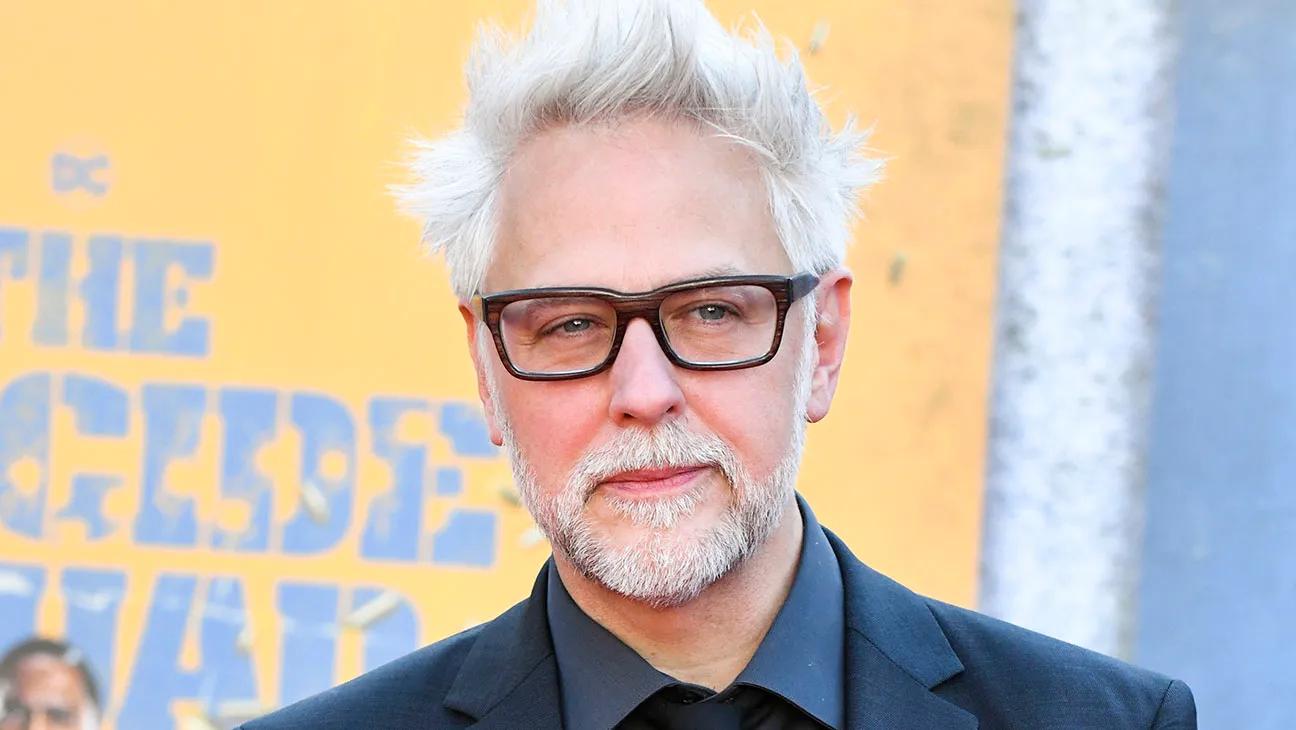
Would you believe me if I said I was writing this article days before this news dropped? As of today, James Gunn and Peter Safran are stepping down as the lead architects of the DC Cinematic Universe. This comes as a shock to fans, as many believed that the duo’s jobs, at the very least, hinged on the success of next year’s Man of Tomorrow, but alas, the timetable was seemingly moved up. The loss of the pair almost seemed inevitable with the merging of Skydance and Warner Bros, with their “kooky” style not exactly translating to Marvel sized dollars.
I’ll truly miss this phase of the DCU, as it took wild swings in an attempt to create a universe that didn’t just get to the core of these immortal characters, but broke genres in an effort to do so. Superman, Lanterns, Clayface, and Peacemaker are so different from one another in so many ways and while the new guard is clearly still moving forward with DC films, I don’t expect offbeat projects like The People Vs. Gorilla Grodd to be made following Gunn’s departure. The idea of fighting the “Marvel formula” with wild, genre-bending fare seemed like the right approach, but this didn’t translate to box office success for outings like Supergirl.
In another sense, I can almost see why the Ellisons took this route, as Gunn and Safran’s dive into weirdness was deep to a fault. For as much as I love seeing Gorilla Grodd singing LMFAO on a college campus, I can tell you that sharing this news with DC die-hards wasn’t exactly well received. The new head of DC, Jeremy Latcham, helped produce superhero blockbusters such as Spider-Man: Homecoming, Guardians of the Galaxy, and Iron Man, so he certainly has the experience required to forge a new universe.
When all is said and done, I’ll greatly miss Gunn’s reign; in a perfect world, it could have run for as long as the Marvel Cinematic Universe has. We may never see Swamp Thing emerge from the depths for his own horrific tale, or Captain Carrot making his silver screen debut, but we got an honest-to-God Superman who instilled a sense of kindness in a way that no other superhero film ever has before it. For me, that’s enough.